About us
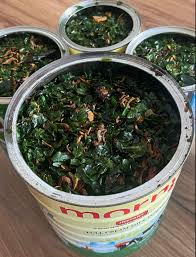
We are an organization that selling 1 product one. And that is fried leaves. This food is very delicous and is cooked by 3 hardworking people.
product information
In the vibrant culinary landscape of the Maldives, where the bounty of the Indian Ocean meets indigenous tropical flora, traditional dishes often rely on simple ingredients transformed through masterful preparation. Among these, theluli faiy—which translates literally to "fried leaves"—stands out as a quintessential Maldivian delicacy. This unique side dish captures the essence of local home cooking, balancing texture, heat, and bitterness to elevate everyday meals into deeply comforting, aromatic experiences.
The star ingredient of theluli faiy is the leaf of the drumstick tree, universally known as moringa (muranga faiy in the Dhivehi language). Moringa trees thrive effortlessly across the sandy soils of Maldivian atolls, providing locals with a readily available source of nutrient-dense greens. To prepare the dish, fresh moringa leaves are meticulously stripped from their woody stems, washed, and dried completely to ensure maximum crispiness during cooking. The magic of the dish unfolds in a hot pan filled with coconut oil, the traditional cooking medium of the islands. Thinly sliced red onions, pungent garlic cloves, and fiery dried red chilies are fried first until they turn golden brown and infuse the oil with a rich, savory aroma. The delicate moringa leaves are then added to the pan, flash-frying within seconds into brittle, paper-thin shards of deep green. The mixture is seasoned lightly with sea salt and occasionally a sprinkle of finely sliced rihaakuru (a thick, pungent Maldivian fish paste) or traditional dried tuna chips (hikimas) for an extra layer of umami depth.
The sensory appeal of theluli faiy lies in its remarkable contrast of flavors and textures. On the palate, the fried moringa leaves offer an intense, shattered crunch that immediately gives way to a complex flavor profile: earthy, distinctly savory, and underlyingly pleasant with a subtle, characteristic bitterness. This bitterness is beautifully rounded out by the natural sweetness of the caramelized onions, the sharp warmth of the fried garlic, and the sharp bite of the dried chilies.
In a traditional Maldivian household, theluli faiy is rarely eaten on its own; instead, it serves as an indispensable condiment or side dish designed to provide a structural contrast to the main meal. It is most famously paired with garudhiya, the iconic clear fish broth made from fresh skipjack tuna, and steaming hot white rice. A spoonful of theluli faiy is sprinkled over the rice or mixed directly into the broth, where its brittle texture provides a delightful counterpoint to the soft rice and tender fish. It is also frequently served alongside copy faiy (collard greens) or as part of a larger spread featuring various spicy fish curries. Beyond its culinary appeal, theluli faiy holds a nostalgic place in the hearts of Maldivians, representing the resourceful, island-born heritage of utilizing local backyard flora to create dishes that are profoundly satisfying, healthy, and deeply tied to the cultural identity of the Maldives.